Stunning Facts About Chimpanzees

Stunning Facts About Chimpanzees – You Cannot Afford To Miss!!

Chimpanzees Are Our Closest Relatives

Chimpanzees (Pan troglodytes) are the closest living relatives of the human beings. Human beings and chimps share more than 98 percent of the DNA. Chimpanzees are distributed across a west-east belt in the equatorial Africa.
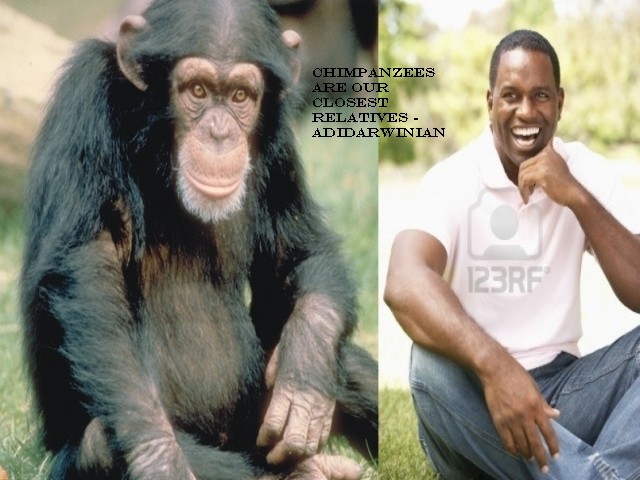
Chimpanzees Are Our Closest Relatives - adidarwinian

Chimpanzees Show High Intelligence, Make and Use Tools like Us

Chimpanzees are very intelligent animals and make and use tools in a multitude of ways. They use more tools for more purposes than any other animal except us. The objects used as tools include twigs, stems, leaves, branches, and rocks. Chimpanzees use tools for feeding honey, termites, ants, nuts; drinking water; and for cleaning themselves. The use of tools as weapons has also been observed. Chimpanzees of the Tai National Park in Ivory Coast even use rocks to crack open nuts. Dr. Jane Goodall, an eminent primatologist, was the first one to observe a chimp using a tool in the month of November in 1960; chimpanzee was using grass as a tool to get termites. Making and using tools by animals (chimpanzees) other than humans was a major discovery in the realm of zoological sciences. Chimpanzees also use leaves as sponges to dip for water for drinking purpose.

Chimpanzees create highly intelligible mental maps of their home ranges, and use these mental maps to find food resources regularly. A mental map is an animal’s internal (mental) representation of the layout of its surroundings. A mental map shows an animal’s sense of geography and its knowledge of the elements (such as food and water sources) within the surrounding environment. Male and female chimps have been seen to use leaves to clean themselves after mating or copulation.
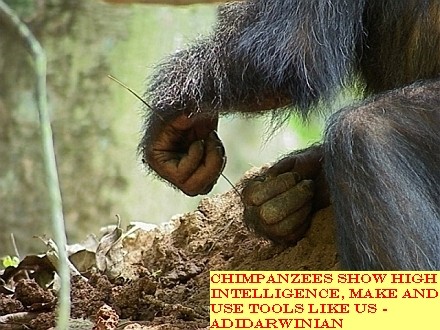
Chimpanzees Show High Intelligence, Make and Use Tools like Us - adidarwinian

Chimps Have Complex Society, Developed Culture, and Feelings like Us

Chimpanzees are highly social animals with an amazingly complex culture. They exhibit enduring, affable, and supportive relationships between their family members throughout their lives. Strong mother-child bond is a well known example of their social qualities. The relationships between individual chimps within a community change over time ranging from close friendship to enmity. Social relationships can be classified as neutral, sexual, friendly, or unfriendly.

Chimpanzees Have Complex Society, Developed Culture, and Feelings like Us - adidarwinianChimpanzees, who are the closest primate cousins of human beings, being very intelligent and social animals, are especially sensitive to emotional distress and physical pain. Like us, they express a wide range of emotions including distress, pain, anxiety, depression, empathy, grief, and pleasure.

Chimpanzees Are Natural Physicians – It’s Astonishing

Chimpanzees are natural physicians” – how much bizarre it may sound, but this is the bare truth, an extremely interesting and extraordinary feature bestowed upon chimps by the mighty nature. Chimpanzees apparently use medicinal plants for a variety of ailments.

Biologists have observed the use of plants by chimpanzees, from thirteen different plant genera belonging to eight families, as possible medications for a multitude of diseases. The use of plants having pharmacologically active constituents has been documented in at least three chimpanzees’ populations.

Many of the plants, used by chimps, are also used by indigenous people of the regions in question for the treatment of diseases such as headaches, stomach upsets, and parasitic infections. These plants have been shown to possess constituents having antitumor, antiamebic, anthelmintic, and antibiotic properties.

The medicinal plants, for example, Vernonia amygdalina, are eaten or processed in ways different to the consumption of the normal food. Sucking out and swallowing of the bitter tasting astringent juice after chewing the pith of medicinal shoots and spitting out of the fibrous residue, is one of the methods of consuming plants of medicinal value for treating illnesses. Another method observed is swallowing of whole leaves. The low frequency and lack of seasonality in the consumption of medicinal plants by chimps are amongst the major reasons cited for the use of these plants for purposes other than normal food consumption. Other primary evidence supporting the medicinal use of plants by the chimps is that such plants are only consumed by chimpanzees who are ill.
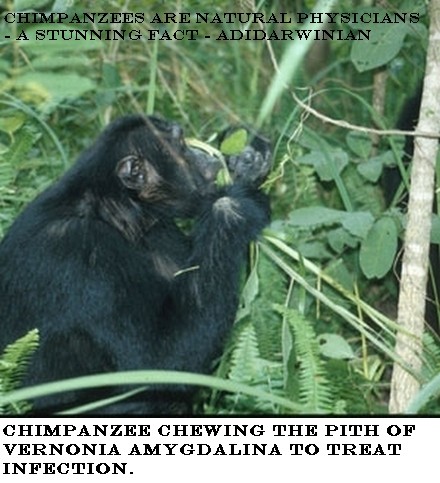
Chimpanzees Are Natural Physicians - a stunning fact - adidarwinian

Chimps are Meticulous Meat Hunters and Eaters

Chimpanzees not only eat fruits, leaves, leaf buds, seeds, stems, blossoms, pith, resins, barks, and insects, but also, hunt for and eat meat of small to medium-sized mammals. Chimps form a group in order to meticulously attack, kill and eat their prey, for example, a Red Colobus monkey. They share some portion of their kill with other group members who beg for the treat. Chimps almost eat whole of the prey, including its brain.

Chimpanzees are Meticulous Meat Hunters - adidarwinian

Chimps Communicate Like Us

The well developed brains of chimps allow them to communicate much like human beings do. They communicate with each other through sounds, calls, touch, body language, and facial expressions. They embrace, kiss, pat on the back, tickle, touch hands, groom each other, etc. They also exhibit intimidating and dominating behaviors by making their hairs stand on end so they look stronger and bigger. Other behaviors expressed by these African great apes include screaming, stamping their feet, rending, trailing branches, or throwing rocks.

Chimpanzees Communicate Like Us - adidarwinian

Chimpanzees are Great Knuckle Walkers

Chimpanzees are Knuckle Walkers, that is, they walk on all of their four limbs (quadrupedal walking), using their knuckles for support (Knuckle Walking). Locomotion involving walking on all four limbs and using knuckles to partially support body weight is only seen in the African great apes (chimpanzees, bonobos, and gorillas). Orangutans (Asian great apes) walk with their fists whereas monkeys walk on their palms. The arms of chimps are longer than their legs. They use their long arms in swinging from one branch to another. This type of locomotion is known as Brachiation.
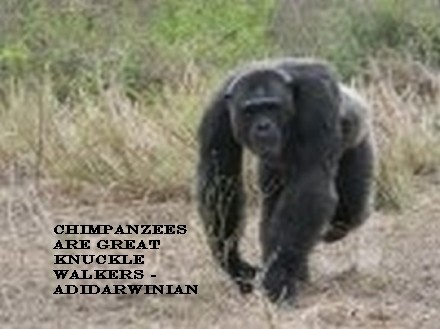
Chimpanzees are Great Knuckle Walkers - adidarwinian

Chimps Need Your Help

Chimpanzees are included under endangered species. The major factor contributing to the reduction in the population of chimpanzees is the increase of the human activities (agriculture, mining, commercial logging, etc.) in the areas where chimps naturally live. Human efforts are the need of the time to save chimps from getting extinct. Many non-profit organizations are working in this direction including the Jane Goodall Institute.
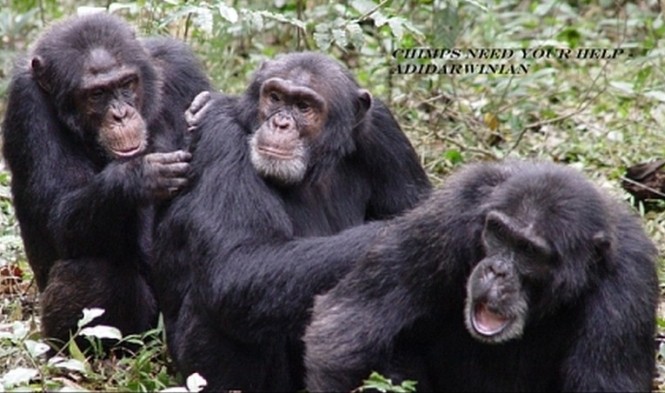
Chimps Need Your Help - adidarwinian

The Essence of Vitamin D – Adidarwinian 1

The Essence of Vitamin D

The Essence of Vitamin D

Vitamin D in a Nutshell for Dummies

The Essence of Vitamin D offers information on this vital amine (vitamin) in a Nutshell for laymen or dummies who lack the basic biological and medical knowledge concerning Vitamin D. The information on various aspects of the sunshine vitamin is presented in an easy to understand language by making use of the user friendly format of a slide show presentation. A slideshow presentation consists of the presentation of slides one after the another in a specific order so as to make very easy for a reader to understand the complex topic. Each slide reveals new information to its readers. 

If you want an in-depth information on the sunshine vitamin (Vitamin D), you can read explanatory post written by the author: Health and Vitamin D – The Vital Connection

Health and Vitamin D – The Vital Connection

Health and Vitamin D – The Vital Connection

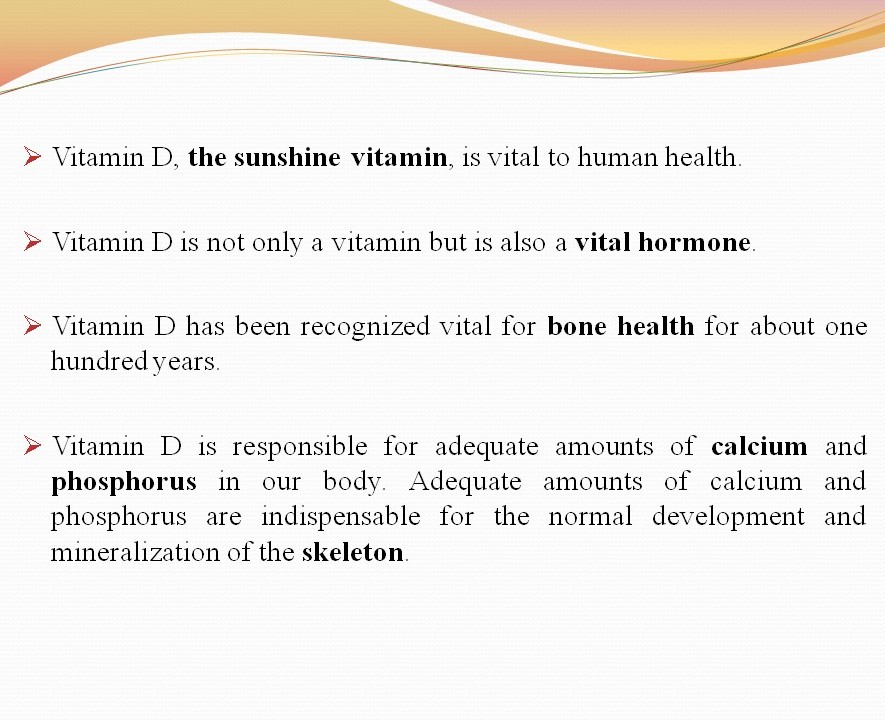
Vitamin D, the Sunshine Vitamin, is vital to human health. It is not only a vitamin but is also a vital hormone. Vitamin D has been recognized vital for bone health for about one hundred years. It is responsible for adequate amounts of calcium and phosphorus in our body. Adequate amounts of calcium and phosphorus are indispensable for the normal development and mineralization of the skeleton.

Health and Vitamin D The Vital Connection1 adidarwinian

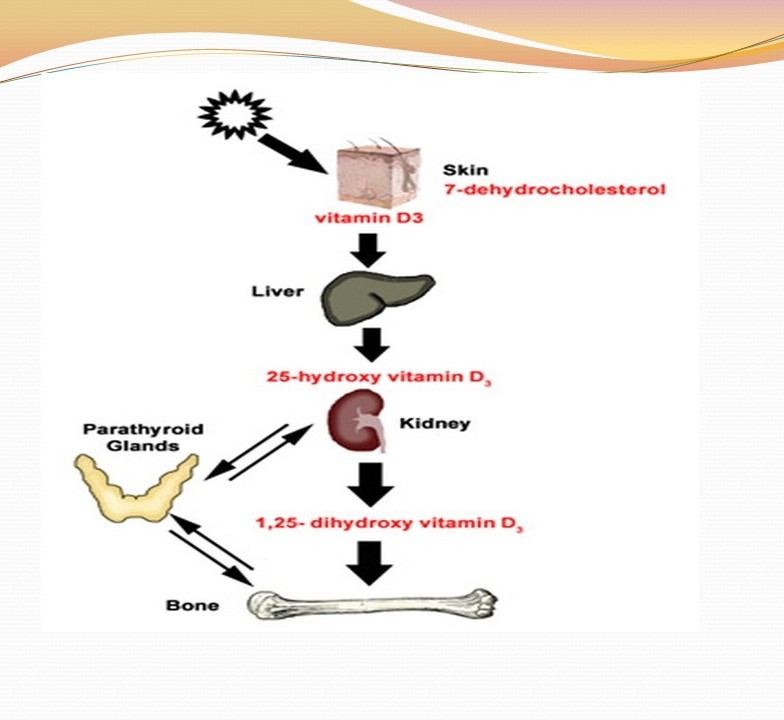
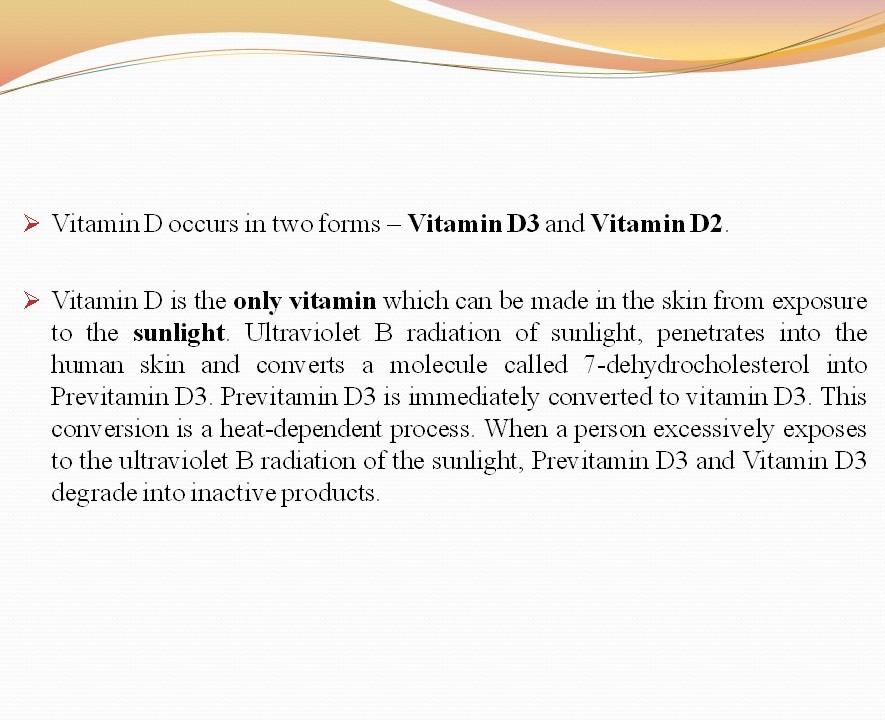
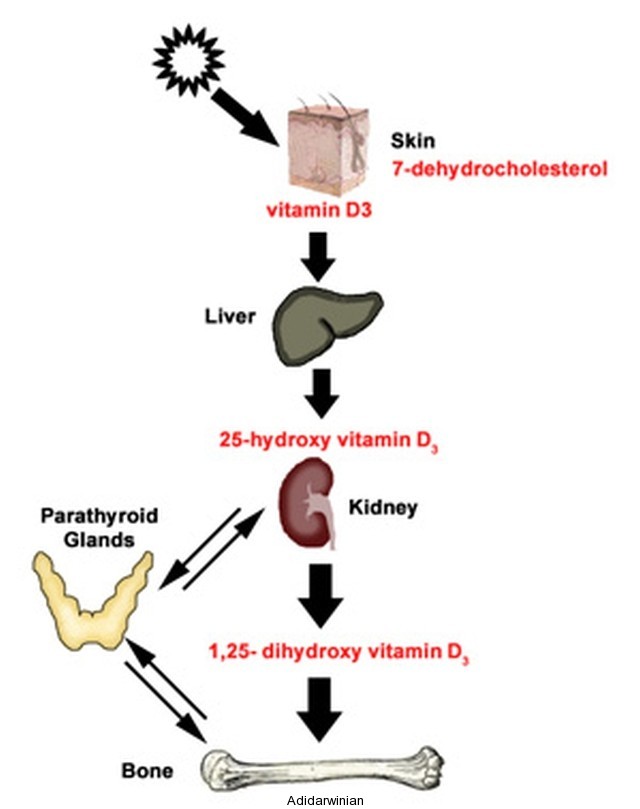
Vitamin D occurs in two forms – Vitamin D3 and Vitamin D2. Vitamin D is the only vitamin which can be made in the skin from exposure to the ultraviolet B radiation of the sunlight. Ultraviolet B radiation, of wavelength 290 nm to 315 nm, penetrates into the human skin and converts a molecule called 7-dehydrocholesterol into Previtamin D3. Previtamin D3 is immediately converted to Vitamin D3. This conversion is a heat-dependent process. When a person excessively exposes to the ultraviolet B radiation of the sunlight, Previtamin D3 and Vitamin D3 degrade into inactive products.

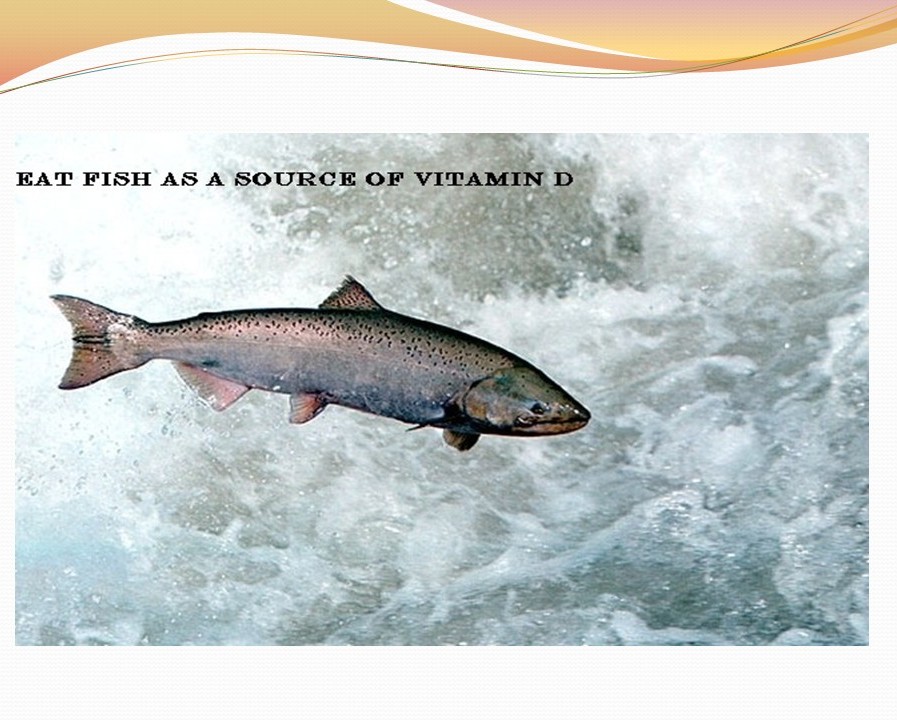
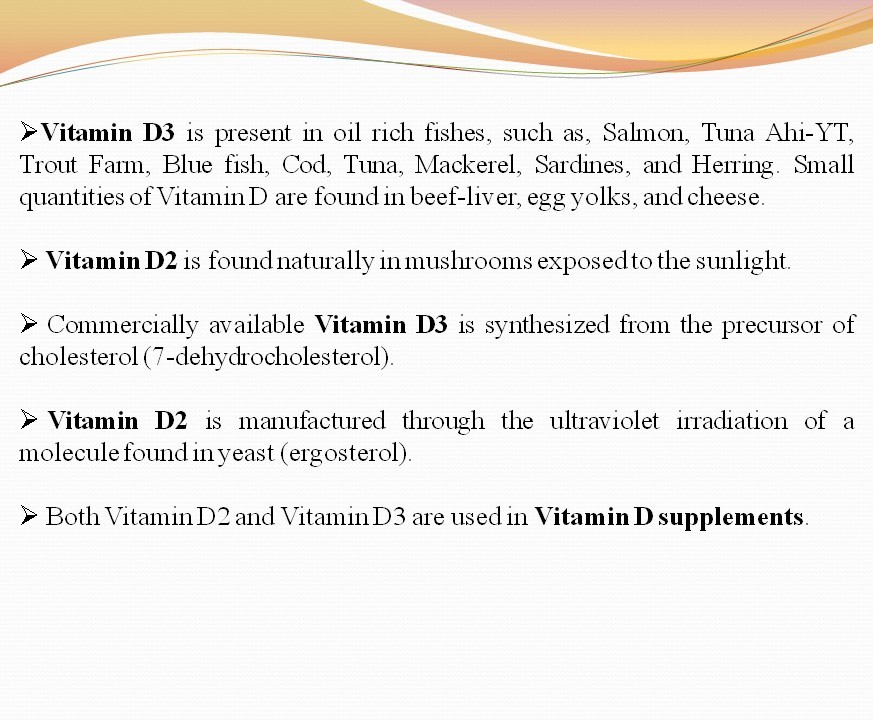
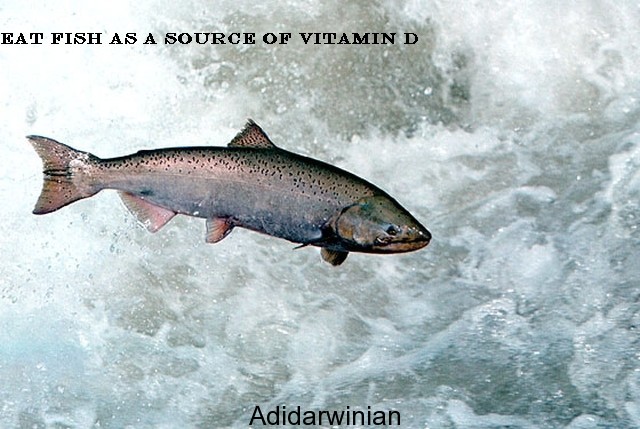
Health and Vitamin D The Vital Connection2 adidarwinianVitamin D3 is present in oil rich fishes, such as, Salmon, Tuna Ahi-YT, Trout Farm, Blue fish, Cod, Tuna, Mackerel, Sardines, and Herring. Commercially available Vitamin D3 is synthesized from the precursor of cholesterol (7-dehydrocholesterol). This compound is naturally present in the skin or is obtained from the Lanolin. Lanolin is a yellowish sticky waxy mass of refined wool grease which is secreted by the sebaceous (oil-secreting) glands of wool-bearing animals. It contains about 30 percent incorporated water, and is also called wool wax or hydrous wool fat or wool grease. Vitamin D2 is manufactured through the ultraviolet irradiation of a molecule found in yeast (Ergosterol). Vitamin D2 is found naturally in mushrooms exposed to the sunlight. Both Vitamin D2 and Vitamin D3 are used in Vitamin D supplements.

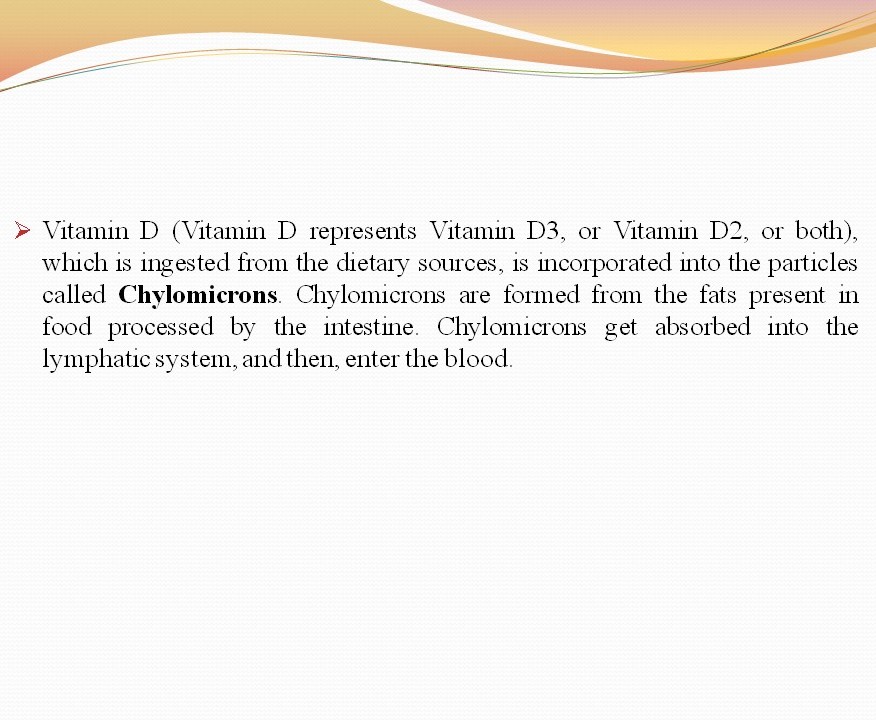
Vitamin D  is a fat soluble vitamin. Vitamin D (Vitamin D represents D3, or D2, or both), after being ingested from the dietary sources, is incorporated into the particles called chylomicrons. Fats, such as triglycerides and cholesterol, are not able to circulate freely in the blood, because human blood is mostly aqueous. To be able to circulate in aqueous human blood, cholesterol and triglycerides are combined with proteins to form lipoproteins. There are different types of lipoproteins, viz. – very low density lipoproteins (or VLDL), low-density lipoproteins (or LDL), high-density lipoproteins (or HDL), and chylomicrons. Chylomicrons are formed from the fats present in food processed by the intestine. Their function is to transport digested fats (as triglycerides) to muscle and fat cells. Chylomicrons get absorbed into the lymphatic system, and then, enter the blood.

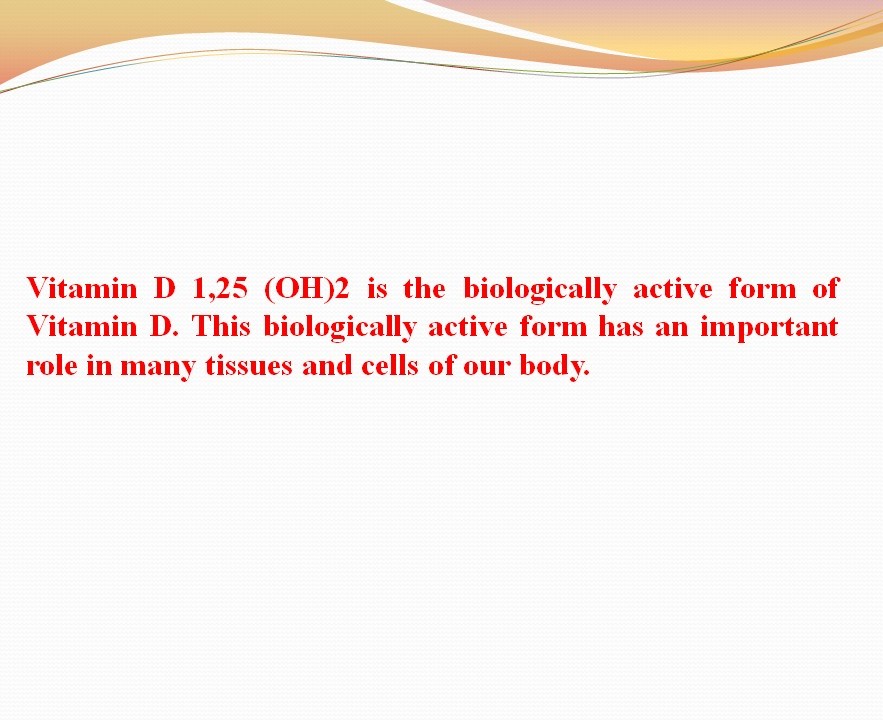
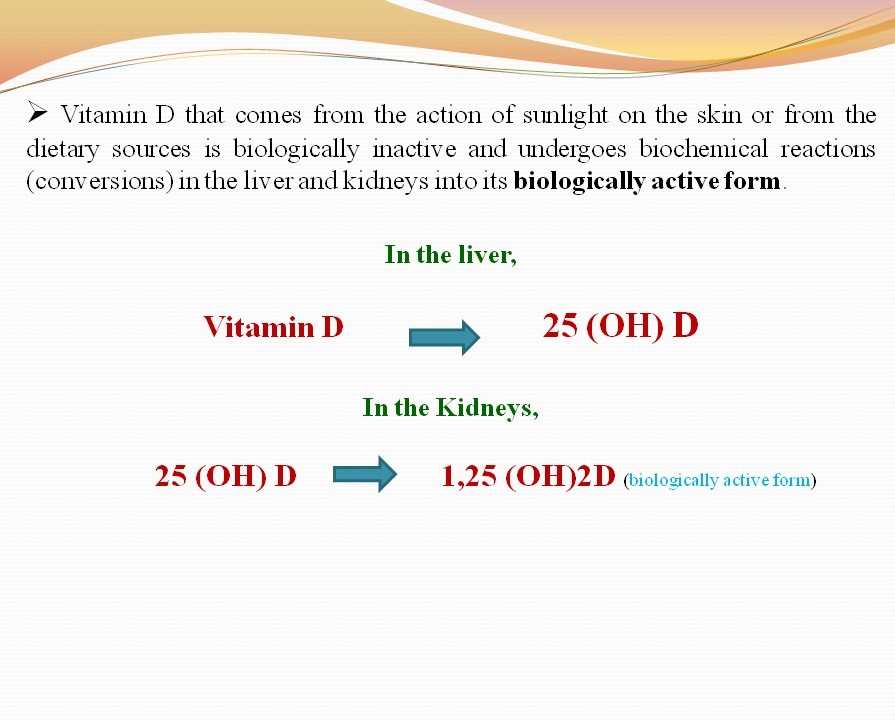
Vitamin D that comes from the action of sunlight on the skin or from the dietary sources is biologically inactive and requires undergoing biochemical reactions in the liver and the kidneys. In the liver, Vitamin D undergoes an enzymatic reaction, which is, known as hydroxylation. The result is the conversion of this vitamin into 25 (OH) D. 25 (OH) D is further converted in the kidneys into 1,25 (OH)2 D, also known as Calcitriol. 1,25 (OH)2 D is the biologically active form of Vitamin D. This biologically active form has a crucial role to play in various tissues of our body.

Health and Vitamin D The Vital Connection adidarwinian

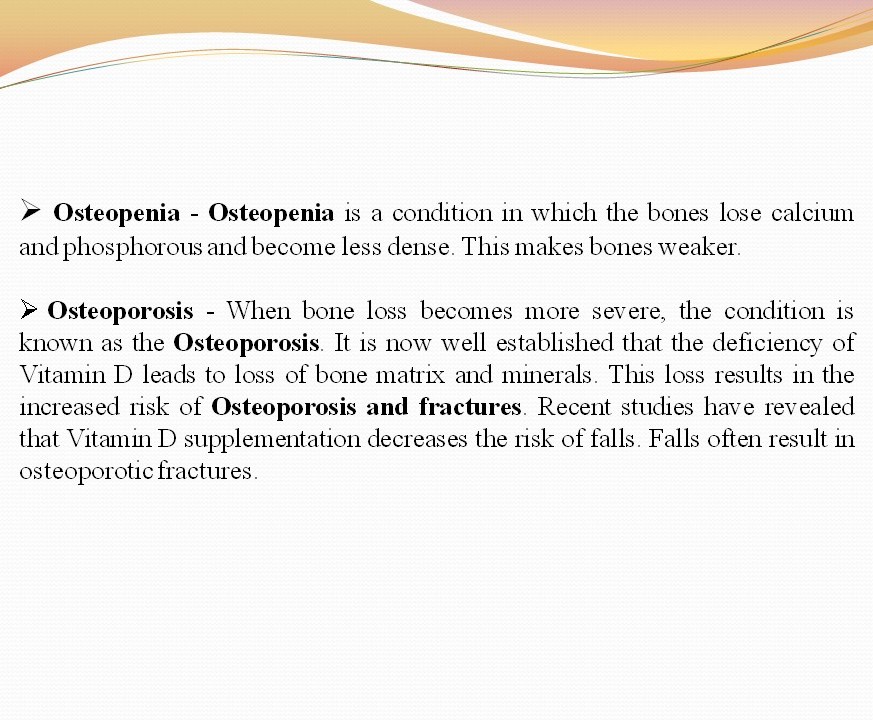
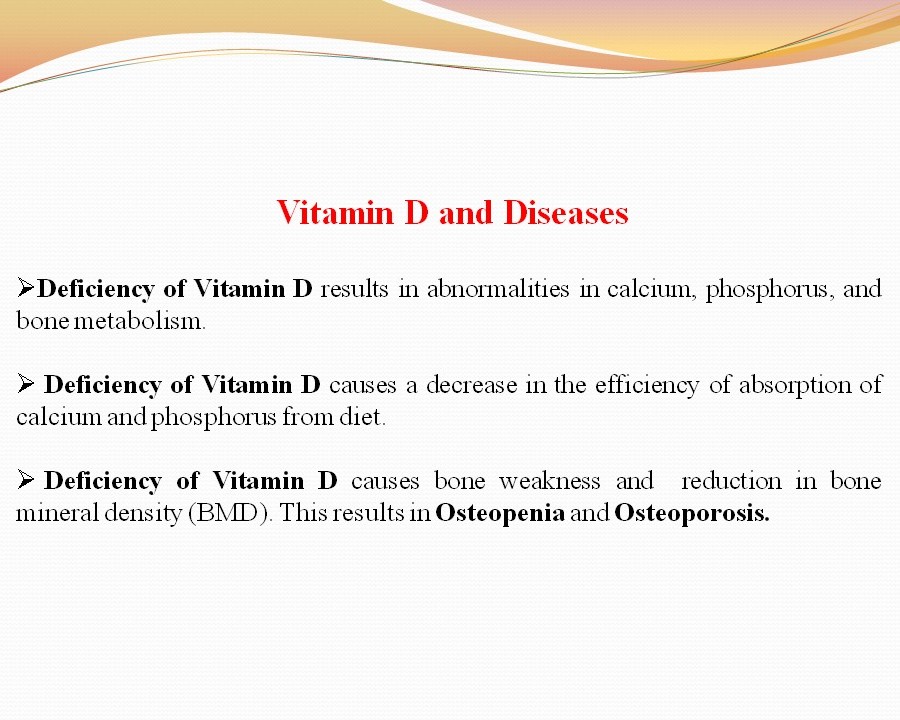
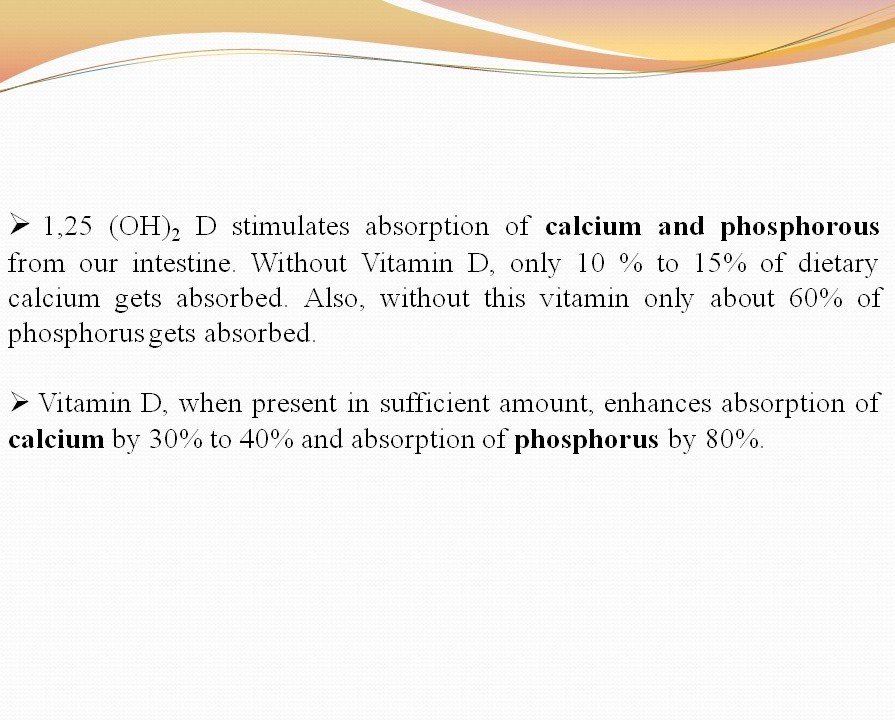
1,25 (OH)2 D stimulates absorption of calcium and phosphorous from our intestine. Without Vitamin D, only 10 % to 15% of dietary calcium gets absorbed. Also, without this vitamin only about 60% of phosphorus gets absorbed. Vitamin D, when present in sufficient amount, enhances absorption of calcium by 30% to 40% and absorption of phosphorus by 80%. Deficiency of this vitamin results in abnormalities in calcium, phosphorus, and bone metabolism. Deficiency causes a decrease in the efficiency of absorption of calcium and phosphorus from diet. This results in the increase in the levels of Parathyroid hormone (PTH), which in turn, leads to mobilization of calcium from the skeleton into blood in order to maintain serum calcium in the normal range. The increase in levels of Parathyroid hormone also increases phosphorus wasting in the kidneys. The PTH also increases activity of osteoclasts (bone cells that dissolve bone), which creates local foci of bone weakness and causes a reduction in bone mineral density (BMD). This results in Osteopenia and Osteoporosis. Osteopenia is a condition in which the bones lose calcium and phosphorous and become less dense. This makes the bones weaker. When bone loss becomes more severe, the condition is known as the Osteoporosis. It is now well established that the deficiency of the Sunshine Vitamin leads to loss of bone matrix and minerals. This loss results in the increased risk of Osteoporosis and fractures. Recent studies have revealed that Vitamin D supplementation decreases the risk of falls. Falls often result in osteoporotic fractures.

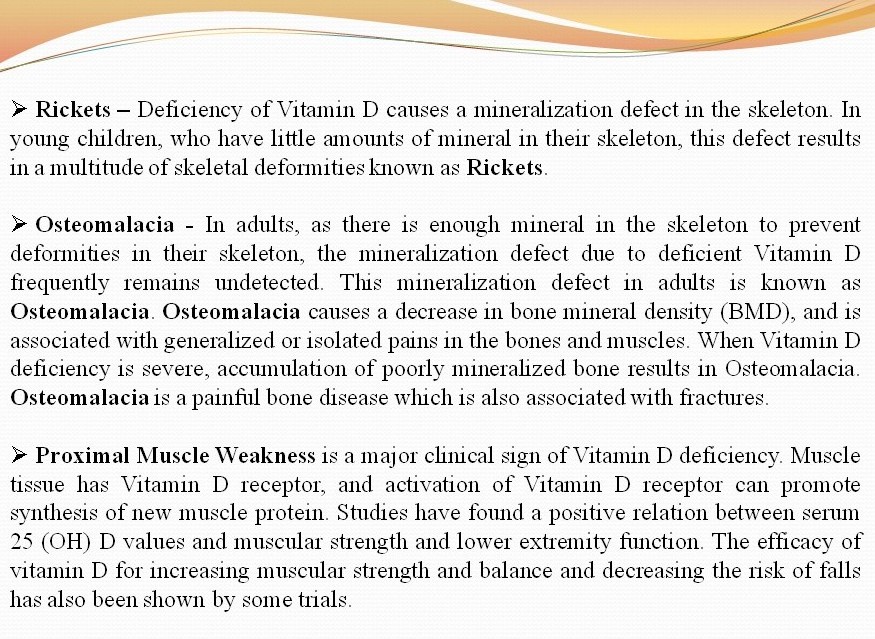
Increased loss of phosphorus through the urine, due to increase in the levels of PTH, leads to low serum levels of phosphorus. This results in a calcium-phosphorus imbalance, and causes a mineralization defect in the skeleton. In young children, who have little amounts of mineral in their skeleton, this defect results in a multitude of skeletal deformities known as Rickets. In adults, as there is enough mineral in the skeleton to prevent deformsities in their skeleton, this mineralization defect frequently remains undetected. This mineralization defect in adults is known as Osteomalacia. Osteomalacia causes a decrease in bone mineral density (BMD), and is associated with generalized or isolated pains in the bones and muscles. When Vitamin D deficiency is severe, accumulation of poorly mineralized bone results in Osteomalacia. Osteomalacia is a painful bone disease which is also associated with fractures. Proximal muscle weakness is a major clinical sign of Vitamin D deficiency. Muscle tissue has Vitamin D receptor, and activation of this receptor can promote synthesis of new muscle protein. Studies have found a positive relation between serum 25 (OH) D values and muscular strength and lower extremity function. The efficacy of vitamin D for increasing muscular strength and balance and decreasing the risk of falls has also been shown by some trials.

Other Roles of Vitamin D

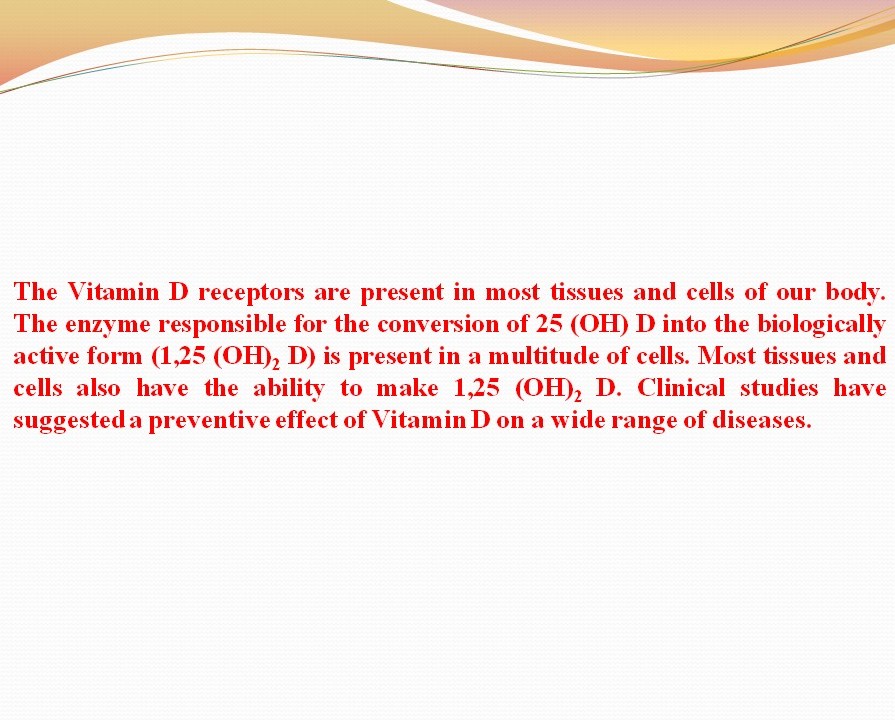
The Vitamin D receptors are present in most tissues and cells of our body. The enzyme responsible for the conversion of 25 (OH) D into the biologically active form (1,25 (OH)2 D) is present in a multitude of cells. Most tissues and cells also have the ability to make 1,25 (OH)2 D. Clinical studies have suggested a preventive effect of Vitamin D on a wide range of diseases.

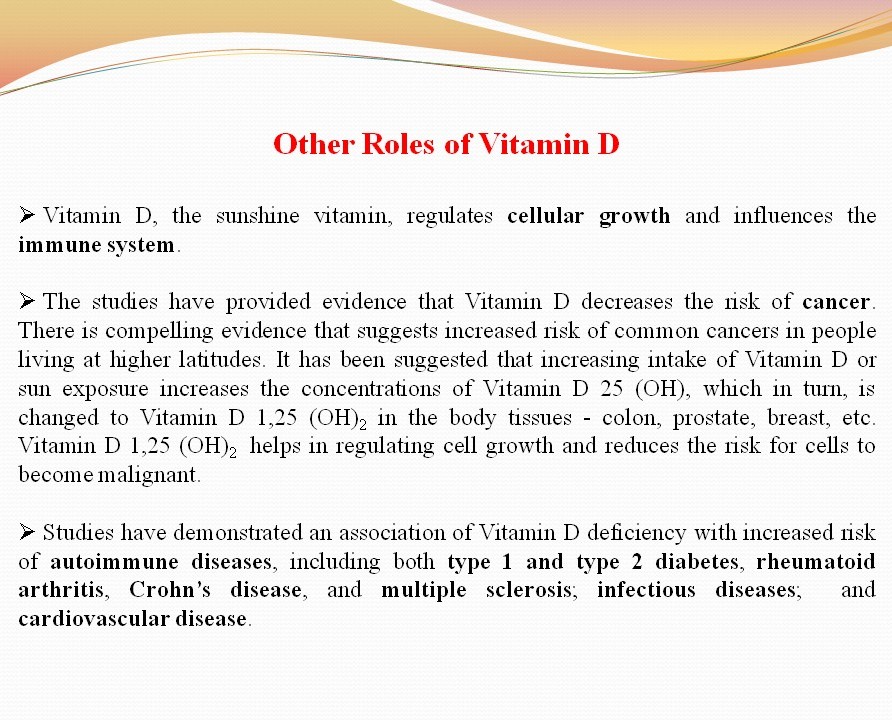
The Sunshine Vitamin, regulates cellular growth and influences the immune system. The studies have provided evidence that this vitamin decreases the risk of cancer. There is compelling evidence that suggests increased risk of common cancers in people living at higher latitudes. It has been suggested that increasing intake of Vitamin D or sun exposure increases the concentrations of Vitamin D 25 (OH), which in turn, is changed to Vitamin D 1,25 (OH)2 in the body tissues – colon, prostate, breast, etc. Vitamin D 1,25 (OH) helps in regulating cell growth and reduces the risk for cells to become malignant. Studies have demonstrated an association of Vitamin D deficiency with increased risk of autoimmune diseases, including both type 1 and type 2 diabetes, rheumatoid arthritis, Crohn’s disease, and multiple sclerosis; infectious diseases; and cardiovascular disease.

 For a Quick Guide To the Sunshine Vitamin, Click Here – The Essence of Vitamin D